)
)
)
Will AI Replace Humans in the Future?
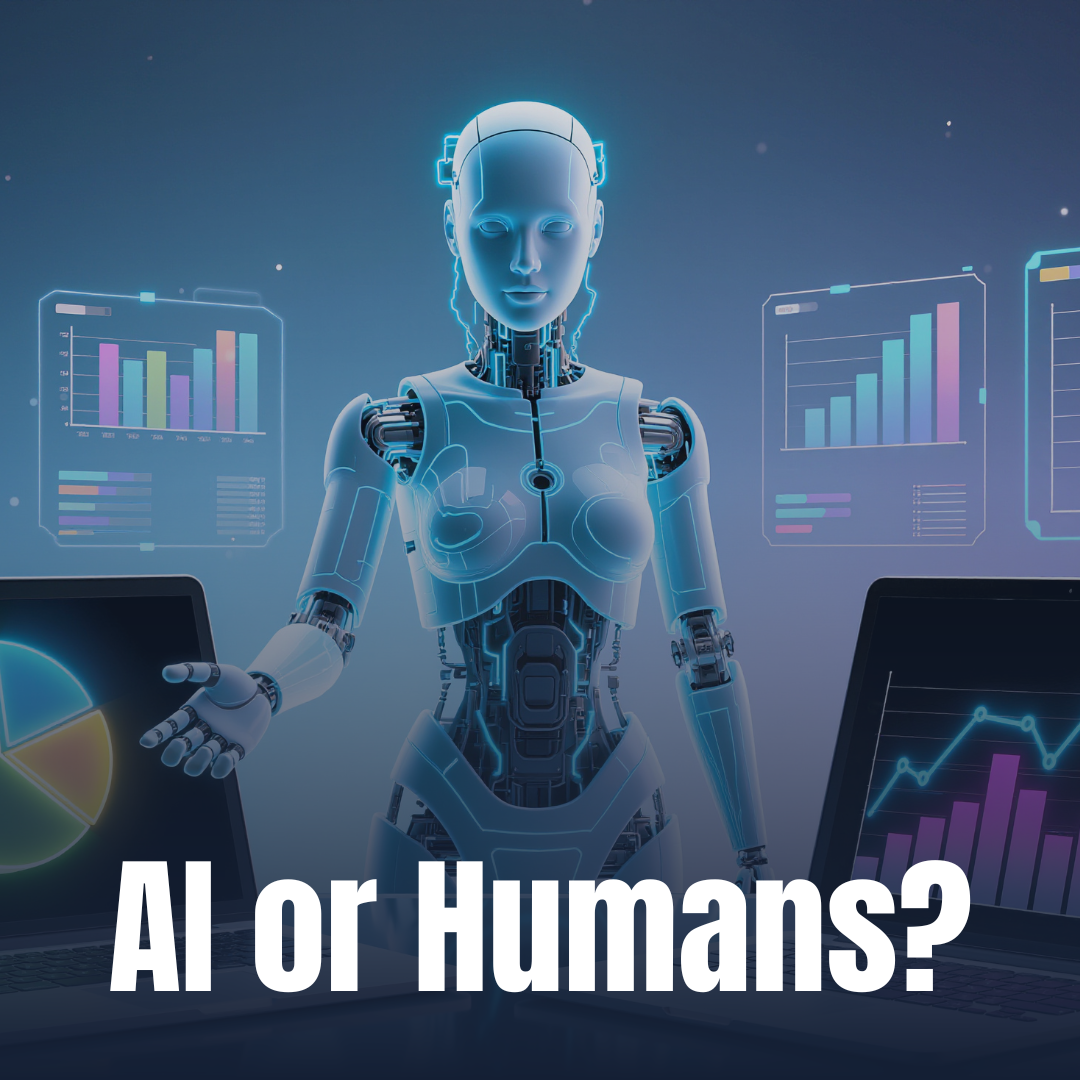
Artificial Intelligence (AI) has been transforming industries at an unprecedented pace. From chatbots handling customer service to AI systems predicting market trends, the capabilities of machines are growing rapidly. This advancement has sparked a common question: Will AI replace humans in the future?
Understanding AI's Role
AI excels in tasks that involve data analysis, pattern recognition, and repetitive operations. For example, AI can analyze thousands of documents in minutes, automate manufacturing processes, and even generate written content. This efficiency often leads people to worry that AI might eventually replace human jobs entirely.
However, AI's current limitations are equally important to consider. While it can process data and perform tasks, it lacks emotional intelligence, creativity in the human sense, and the ability to make ethical judgments. Human intuition, empathy, and critical thinking are qualities that AI cannot replicate fully, at least for now.
Jobs That Are at Risk
Certain roles that involve repetitive, rule-based tasks are more susceptible to automation. Examples include:
-
Data entry clerks
-
Assembly line workers
-
Routine customer support roles
AI can handle these tasks faster and with fewer errors, which may lead to shifts in employment structures.
Jobs That AI Cannot Replace
Conversely, careers that rely on human creativity, emotional intelligence, and complex decision-making are less likely to be fully replaced. Roles like:
-
Psychologists and counselors
-
Artists and designers
-
Strategic business leaders
These jobs require human judgment, personal connection, and creativity, areas where AI is still very limited.
Humans and AI: Collaboration, Not Competition
Rather than thinking of AI as a replacement, a more realistic perspective is collaboration. AI can augment human capabilities, taking over repetitive tasks and freeing humans to focus on creative and strategic work. In healthcare, for instance, AI can analyze medical images quickly, allowing doctors to spend more time with patients. In marketing, AI tools can automate data analysis, while human marketers focus on strategy and storytelling.
Preparing for an AI-Driven Future
The key to thriving in an AI-driven world is adaptability. Upskilling, continuous learning, and embracing technology as a tool rather than a threat will be essential. Soft skills like creativity, empathy, and complex problem-solving will become even more valuable in the workforce.
Conclusion
AI will undoubtedly change the way we work, but it is unlikely to replace humans entirely. Instead, the future is likely to be one of human-AI collaboration, where machines handle repetitive and data-heavy tasks, and humans contribute creativity, empathy, and ethical judgment. The real question isn't whether AI will replace humans. it's whether we are ready to evolve alongside it.